


New tools constantly reshape how brands reach people, and today AI and automation are driving the biggest shift yet. It’s natural to worry about what this means, especially if you are in the creative industry, but one truth hasn’t changed: technology can’t replace human connection and understanding of what makes us tick.
In 2026, the most effective marketers will be those who blend AI and data intelligence with emotional understanding. AI can show what people do; only humans can interpret why they do it. That’s the difference between noise and meaningful marketing. As the tools get smarter, the marketers who combine human insight with AI capability will set the creative standard. This article explores how that balance becomes the new engine of impactful marketing
How Marketing Roles Are Evolving
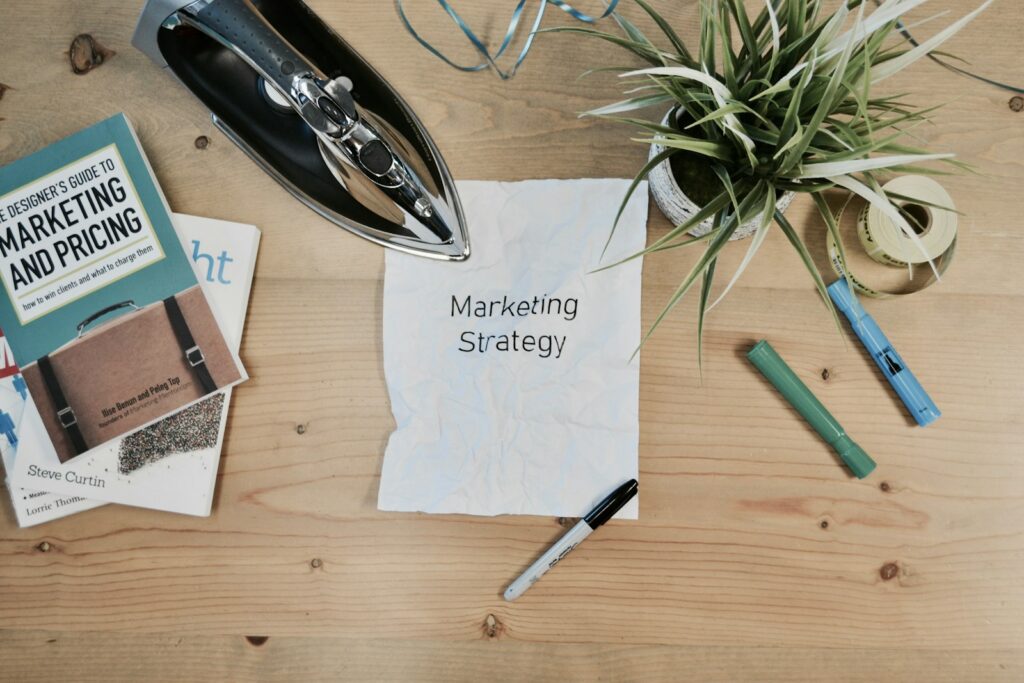
Marketing is changing faster than ever. Automation, data, and AI have reshaped how brands work. But one thing stays true: technology enhances marketing. It doesn’t replace the human element.
The most successful marketers combine analytical skills with emotional intelligence. They use data to understand what’s happening. Then they use human insight to figure out why it matters.
Why Efficiency Alone Doesn’t Work
Many companies are automating everything. Campaigns run faster. Dashboards look smarter. But audiences are tuning out. People are overwhelmed by so much content, especially when it’s obviously AI. They’re maybe amused but it doesn’t create any lasting meaning with them.
Efficiency without empathy doesn't create growth. It creates noise.
Modern marketers need to design relevance, not just generate visibility. Relevance requires understanding of what audines design and how to reflect this in a creative way that creates purpose.
But automating tasks and driving efficiency with AI tools does still benefit businesses and allows them to focus on other things – but how do you use tools for scale while keeping an authentic voice? This is what ultimately builds loyalty.
Top 5 Marketing Challenges Today
Current marketing practices have exposed some serious weaknesses:
1. Over-Automation
Campaigns are running themselves but they all sound the same. Brand voices become homogeneous and boring.
2. Data Overload
Metrics everywhere. Actionable insights nowhere. There is so much data but not enough meaning.
3. Content Fatigue
Brands are still chasing volume over value. They produce tons of content but nobody notices and they end up drowning in their own noise.
4. Skill Gaps
This has always been the case but now more so – analysts and creatives speak different languages. This means they do not collaborate effectively and the strategy suffers.
5. Purpose Confusion
Brands are chasing trends. They are focusing too much on short-term metrics and losing sight of what they actually stand for.
The Essential Changes Marketers Must Make
The future of marketing needs to be human-guided, not tool-driven. Technology should amplify human purpose, not replace it.
Here are three core shifts you need to make:
Shift 1: From Data Collection to Interpretation
Numbers don’t tell stories. People do.
The real value isn’t in gathering data. It’s in extracting human insights from that data. What does this behavior actually mean? Why are people doing this? Those are the questions that matter.
Shift 2: From Consistency to Connection
Stop posting more content. Start saying something that matters.
Deep, meaningful connection beats shallow, constant presence. Quality over quantity isn’t just a cliché. It’s survival.
Shift 3: From Campaigns to Conversations
Audiences don’t want to be targeted. They want to be understood.
Marketing needs to be a two-way dialogue. That means authenticity. That means actually listening and responding.
How to Use the Human-Centered Marketing Approach
The Human-Centered Marketing Framework helps you integrate technology and humanity. Every automated process should have a human purpose. Here are the four key elements:
Purpose
You need clarity. You need a mission that resonates inside your company and outside. Why does your brand exist?
People
Your team needs empathy. They need alignment. They need permission to use creative judgment, not just follow scripts.
Process
Use automation strategically. It should enhance creativity, not limit it. Don’t automate for automation’s sake.
Performance
Measure what matters. Real impact and audience connection matter more than vanity metrics. Look beyond clicks and conversions.
When these four elements align, technology strengthens meaning instead of replacing it.
Questions to Ask Yourself
- Are we creating content or meaning?
- Do our KPIs measure clicks or connection?
- Is our tech stack serving our strategy or running it?
- Are we nurturing human imagination in our team?
These questions show whether you’re leading the future or lagging behind.
What Modern Marketers Actually Do
Tomorrow’s marketer is three things:
- Strategist
- Storyteller
- Systems thinker
They navigate AI confidently. But they lead with empathy. They know how to automate. But they also know when to pause and inject real human creativity. AI can predict behavior. Only humans can inspire belief. And belief, not algorithms, is what drives lasting brands.
Common Questions Answered
Can AI replace marketing entirely?
No. AI is excellent at optimization, targeting, and data processing. It can generate content at scale.
But AI lacks emotional intelligence. It can’t understand deep cultural nuances. It can’t create genuine emotional connections. It can’t inspire belief.
Those are human capabilities. They always will be.
What’s the most important skill for modern marketers?
The ability to translate data into human insight.
It’s about looking at what the data says people are doing. Then figuring out why they’re doing it. That insight informs creative strategy that actually resonates.
How do teams balance automation and creativity?
Use automation for repetitive tasks. Data cleaning. Basic reporting. Scheduling. Routine optimization.
This frees up your human talent. They can focus on high-value work. Brand storytelling. Empathy-driven campaigns. Complex problem-solving.
Machines handle the repetitive stuff. Humans handle the creative stuff.
What does “Purpose Confusion” mean?
It happens when brands focus too much on short-term tactics. Clicks. Likes. Fast trends.
They lose sight of their original mission. Their core values. Their long-term relevance.
This creates inauthentic messaging. Audiences notice. They stop trusting the brand.
How is AI search different from traditional SEO?
Traditional SEO optimizes for search engine algorithms. AI search optimizes for how AI understands and retrieves information.

AI search engines look for clear, direct answers. They value conversational language. They prioritize content that sounds natural and helpful.
That means shorter sentences. Clear structure. Direct answers to questions. Natural language instead of keyword stuffing.
Key Takeaways
- Technology can’t replace human connection in marketing
- Data tells you what happens, human insight tells you why
- Focus on meaning over volume
- Use automation for repetitive tasks, humans for creative work
- Measure real connection, not just clicks
- Build conversations, not just campaigns
If this shift feels overwhelming, that’s normal. Most brands know they need to evolve, but few know where to begin.
That’s where Make Lemonade Fizz steps in. We help businesses cut through the noise, use AI with intention, and build marketing that feels human again. Whether you need clearer strategy, better content, or a way to align your team around a more meaningful approach, we turn complexity into clarity.
If you’re ready to make AI work with your creativity – not against it – explore what we do and see how this new era of marketing can work for you.
Find out more about what we do.
Leave a Reply