



Why reputation matters in AI search
SEO, PR and reputation management have often sat with different teams. One focused on helping a brand get found, another on media coverage, and another on reviews or complaints.
AI search brings these areas closer together. When a traveller asks ChatGPT or Perplexity to recommend a hotel or compare two properties, the answer may draw on what guests and journalists say alongside information from the hotels themselves.
For a hotel, that raises a practical question: does the information available outside your website support what you want to be known for?
What supports your hotel’s claims?
A luxury resort might describe its spa as exceptional. Independent reviews can explain what makes it worth visiting.
For example, an AI system searching for information about the spa might find:
- an editorial review describing the treatments and setting
- guest reviews discussing the facilities and their experience
- a relevant wellness award
- a travel guide recommending the hotel for a spa break
- a comparison with other wellness resorts.
The detail matters. A review explaining the quality of the treatments or the privacy of the setting gives the system more to work with than a description that simply calls the spa luxurious.
This is part of generative engine optimisation: looking at how a brand is represented beyond its own website. For this work, we look beyond backlink counts to what a source actually says about the hotel and how relevant it is to the traveller’s question.
One question can lead to several searches
Google explains in its guidance for website owners that AI Overviews and AI Mode may use a technique called query fan-out. This means running several related searches to help build a response.
Think of a traveller asking: “Which of these two hotels is better for an anniversary?”
In that scenario, related searches could cover reviews, relevant awards, romantic stays and recent guest complaints. The final comparison could draw on several sources, even though the traveller only asked one question.
For the hotel, it helps to start by tracking AI visibility: testing relevant questions and reviewing the answers and sources. That can reveal gaps in the website, outdated information elsewhere, or publications worth considering for future outreach.
What this means for PR and media choice
PR teams already consider audience, relevance and editorial quality when choosing where to pitch. AI search adds another question: which sources are appearing in the answers that matter to this hotel?
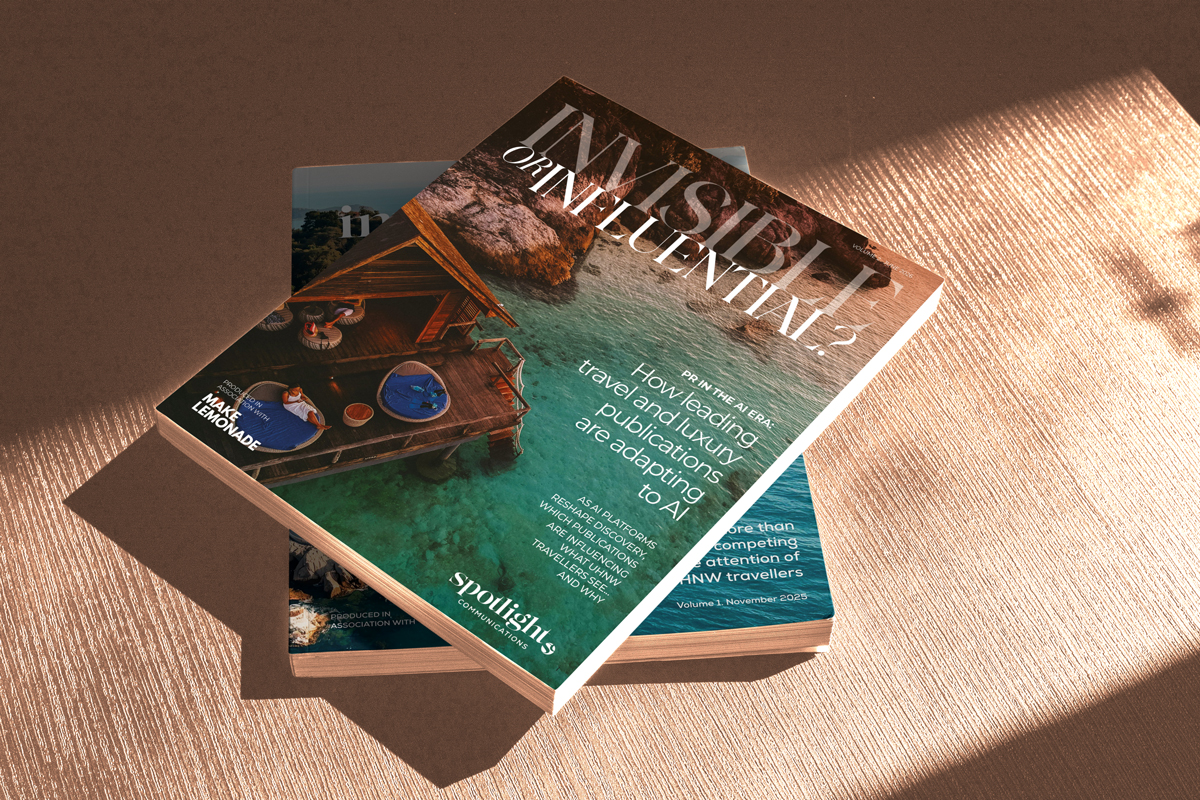
In our Invisible or Influential? research, produced with Spotlight Communications, some commercial blogs and specialist travel sites surfaced more prominently in AI recommendations than familiar premium editorial titles. The source mix also differed between platforms in the tests.
That gives PR teams a reason to look more closely at individual publications and articles. A specialist wellness feature may explain a hotel’s spa offering in useful detail. A passing mention in a general hotel roundup may say very little about it.
For media planning, I would look at whether a publication covers the right destination and type of stay, whether its articles appear in relevant AI answers, and whether the proposed story would explain something useful about the property.
Those checks add to the usual PR judgement about the publication and its audience. They can help identify opportunities that a target list based mainly on readership or prestige might miss.
Check how the hotel is being described
Reputation management already includes more than responding to criticism. AI search gives brands another reason to review the descriptions and experiences that are available before someone asks for a recommendation.
If a resort is positioning itself as a quiet couples’ retreat, but reviews and travel guides mainly describe its family facilities, there is a mismatch to investigate. Does the positioning reflect the current guest experience? Are older descriptions still accurate? Does recent coverage explain what has changed?
For luxury travel brands, details such as privacy, atmosphere and service can be central to the choice. Those qualities need more explanation than a facilities list can provide.
A useful starting point is to check:
- whether the website, booking platforms and key media profiles describe the current offer accurately
- whether the hotel is addressing recurring guest complaints
- whether coverage explains the strengths that matter to its target guests
- whether outdated or incorrect information keeps appearing in AI answers.
This should involve the people responsible for the guest experience as well as marketing and PR. A recurring service complaint needs action at the hotel; a factual error in an old profile needs a correction.
Where press releases fit
A press release can help communicate genuine news, such as an award, appointment, research finding or new hotel development. Choosing relevant distribution channels is part of that work.
But the number of websites carrying a release tells you little about how useful those placements are for AI search. Check where the release has appeared, whether those pages show up in relevant AI answers, and what information the answer takes from them.
A syndicated release is still the hotel’s own announcement. Keep that distinction clear when assessing it alongside independent editorial coverage.
I would judge distribution by the relevance of the destinations and the value of the news being shared. Simply putting the same announcement on more websites is a weak basis for an AI visibility strategy.
Bring the work together
SEO, PR and reputation teams need a shared view of how the hotel is being described. The website supplies essential facts, technical SEO helps make those pages accessible, PR develops relevant coverage, and guest feedback shows where the experience supports or challenges the positioning.
Before commissioning more content or choosing the next media target, look at what AI platforms currently say about the hotel. Is it being recommended for the right reasons? Is important information missing? Which sources are shaping the answer?
An AI Visibility Snapshot assesses how AI platforms describe and recommend a brand today. An AI Visibility Roadmap turns those findings into priorities for the website, content, PR and wider brand presence.

The Full Story, with Spotlight Communications
This is why we developed The Full Story with Spotlight Communications. It combines Make Lemonade’s AI brand intelligence and SIGNAL NOIR® audits with Spotlight’s PR, editorial expertise and media relationships for luxury travel and lifestyle brands.
We start by checking how AI describes your brand and which sources are shaping those answers. Together, we identify what needs correcting, strengthen the facts across your website and relevant external sources, and develop coverage that reflects the brand today. We then track how the descriptions and sources change over time.
If AI is telling an incomplete or outdated story about your brand, find out more about The Full Story. You can also explore what Make Lemonade does.
References
- Google Search Central, AI features and your website. Guidance on query fan-out and website inclusion in AI Overviews and AI Mode.
- Google, Expanding AI Overviews and introducing AI Mode. An explanation of related searches across subtopics and data sources.
- Google, 5 new ways to explore the web with generative AI in Search. Updates on links, original content and firsthand perspectives in AI search.
- Google Search Help, Get AI-powered responses with AI Mode in Google Search. Further information about using AI Mode.
- Make Lemonade and Spotlight Communications, Invisible or Influential? research series. Findings on AI citations and luxury travel media.
FAQs about reputation and AI search visibility
What is off-page consensus in AI search?
Here, off-page consensus means how consistently sources outside a brand’s website describe what it is known for. For a hotel, that could include reviews, travel articles, awards and comparison pages. Looking across those sources can show whether they support the same strengths or give conflicting descriptions.
What is query fan-out?
Query fan-out means running several related searches to help answer one question. Google says AI Overviews and AI Mode may use it. A hotel comparison could therefore draw on searches about different aspects of the stay, such as location, facilities and guest experience.
Does PR coverage improve AI visibility?
Relevant coverage can give an AI platform useful information about a brand when it retrieves that article. For a hotel, a detailed review may help explain its suitability for a particular type of stay. Testing relevant questions shows whether that coverage is actually appearing in answers.
Do press releases improve AI visibility?
A press release can make news about a brand available on other websites. Its usefulness depends on where it appears and whether AI platforms retrieve or cite it for relevant questions. The number of syndicated copies alone does not tell you how much it contributes.
How does AI reputation management differ from traditional online reputation management?
It adds a question to existing reputation work: what information might an AI platform use when deciding whether to recommend the brand? Alongside responding to reviews, teams need to check the accuracy of brand descriptions, recurring guest feedback and the sources appearing in relevant AI answers.
How can a brand find out what AI platforms say about it?
Test a consistent set of traveller questions across relevant AI platforms. Record whether the brand is mentioned, how it is described, which competitors appear and which sources are cited. Check for errors and missing information, then repeat the tests over time to track changes.